Stories
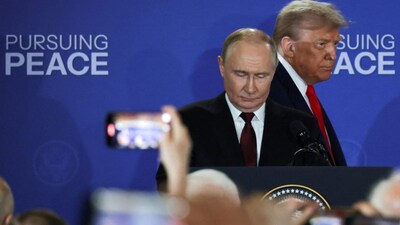
Trump eases Russia sanctions after call with Putin, pressuring Zelenskyy and benefiting India and China
- •US President Donald Trump announced an agreement to increase Russian diesel supplies and eased sanctions, aiming to lower domestic fuel prices and manage political pressure ahead of midterm elections.
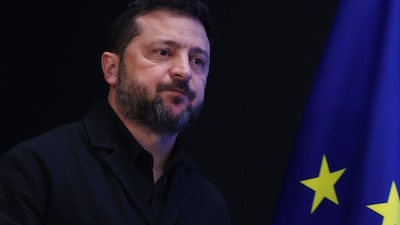
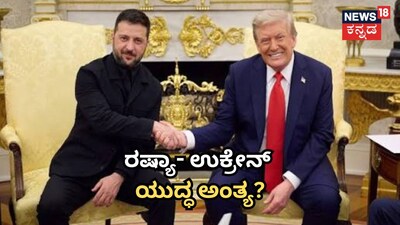
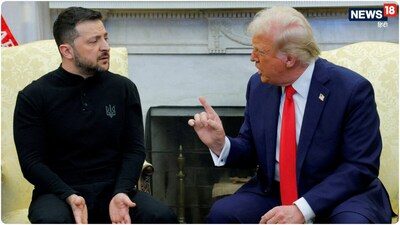
- •The shift in US policy has strained relations with Ukrainian President Volodymyr Zelenskyy, who criticized the move and warned it provides Moscow with additional financial resources to continue the war.
- •Major importers of Russian energy like India and China stand to benefit as the immediate threat of heavy US tariffs has been averted.
- •Zelenskyy expressed frustration over US Starlink limitations affecting military logistics and requested 70 billion euros in additional aid from European leaders for 2027.
- •Trump administration officials have pressured Ukraine to halt attacks on Russian oil refineries to stabilize global fuel prices, reflecting a push for a negotiated peace agreement.
Key Questions Answered
Following an October 9, 2026 phone call with Vladimir Putin, Donald Trump signed an executive order citing national interest to ease Russian fuel sanctions and increase diesel supplies. The administration aimed to lower rising US fuel prices to manage domestic economic pressures ahead of the midterm elections and avert potential tariffs on top oil-buying nations like India and China.
Volodymyr Zelenskyy criticized the agreement as an unjust decision that will allow Russia to increase its oil earnings and fund its ongoing war against Ukraine. He warned that this deal could pave the way for broader trade agreements in gas and a widespread easing of international sanctions against Moscow.
Tensions grew because the US administration wanted Ukraine to stop attacking Russian oil refineries to prevent fuel price spikes, while Ukraine argued that Russia continued targeting its energy infrastructure. Consequently, Zelenskyy announced the resumption of Ukrainian strikes on Russian refineries, and Trump claimed Putin was more willing to negotiate peace, further straining their relationship.