Stories
US defends 60-day sanction waiver, reveals European refusal to penalize China and India

N
News18•18-10-2026, 22:00
US defends 60-day sanction waiver, reveals European refusal to penalize China and India
- •The US administration stated that the 60-day sanction waiver on Russia and tariffs on countries like India is a temporary pause to analyze global economic impacts.
- •Cabinet officials Marco Rubio and Scott Bessent explained that the Lindsey O. Graham Sanctioning Russia and Iran Act grants the President flexibility to assess the situation.
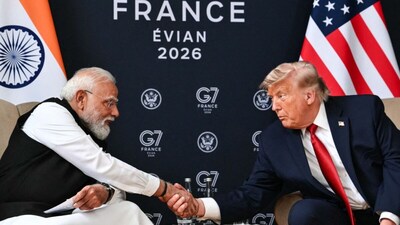
- •Scott Bessent revealed that European allies refused to impose secondary sanctions on China and India for purchasing Russian oil, leaving the US hesitant to bear the burden alone.
- •Bessent criticized European nations for continuing to purchase Russian energy, claiming they have provided more financial support to Vladimir Putin than to Ukraine.
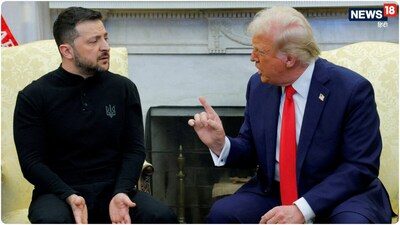
- •President Trump's decision to issue the waivers has drawn criticism from both Republican and Democratic lawmakers who argue it undermines congressional authority.
Key Questions Answered
The US implemented a 60-day pause to analyse the global economic impact of the sanctions and tariffs, while also assessing pressures on global energy supplies like the Ukraine-Russia war, the Iran war, and Houthi attacks in Saudi Arabia.
Scott Bessent noted that European allies refused to impose secondary sanctions on China and India for buying Russian oil, while European countries themselves continued to import large amounts of Russian energy and even waived an embargo on Russian diesel and jet fuel.
Trump's decision faced heavy criticism from both Republicans and Democrats who had supported the Lindsey O. Graham Sanctioning Russia and Iran Act, with lawmakers arguing the waiver undermines Congress and lets Putin off the hook.