Stories
India, Brazil, Ukraine, Russia, Sudan: Why did Elon Musk's Starlink face opposition worldwide?
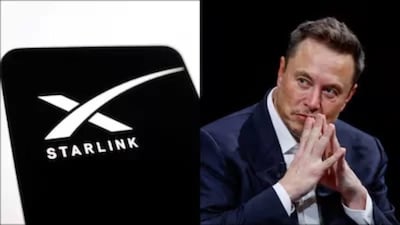
- •In Brazil, Starlink initially defied a court order to enforce a ban on X, leading to the freezing of its local bank accounts before it later complied.
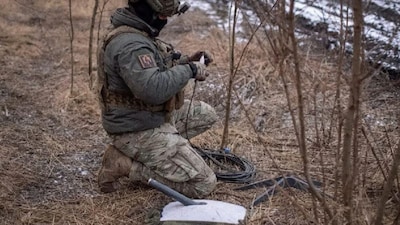
- •Reports indicated that Starlink connectivity was disrupted during Ukraine's military counteroffensive, raising concerns about private control over wartime communications.
- •In Sudan, while Starlink provided vital connectivity amid destroyed infrastructure, it faced challenges regarding smuggled equipment, high costs, and use by armed groups.
- •In India, Starlink equipment was recovered during investigations into a major drug smuggling ship and security operations in Manipur, prompting regulatory scrutiny.
Key Questions Answered
In September 2024, Starlink initially refused to comply with a court order to enforce a ban on the social media platform X until its frozen accounts were released. This led Justice Alexandre de Moraes to freeze the Brazilian bank accounts of both Starlink and X during the legal dispute.
In December 2024, Indian security agencies seized satellite communication equipment during a drug-smuggling vessel interception and a search operation in Manipur. These incidents sparked concerns about the unauthorized transport, border smuggling, and potential use of satellite equipment by armed groups or insurgents.
The ongoing conflict in Sudan severely damaged traditional telecommunications infrastructure, making Starlink a vital alternative for internet connectivity, particularly in Darfur. Both humanitarian aid organizations and armed groups like the Rapid Support Forces utilized smuggled Starlink terminals, though at exorbitant costs.