Stories
What happened to Starlink in Ukraine and why India must be cautious
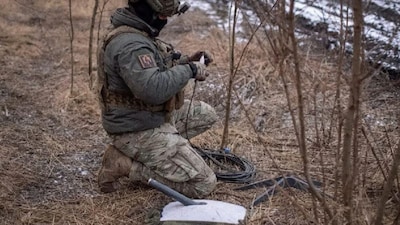
- •The Ukraine war highlighted how a private satellite communication system can control military operations and pose national security threats.
- •Elon Musk's unilateral decision to withhold Starlink connectivity thwarted a planned Ukrainian attack against Russia's Black Sea fleet.
- •A research report by the Takshashila Institution warned that arbitrary service control by private entities creates major security challenges.
- •Concerns arose in India after Starlink devices were recovered from smugglers in the Manipur conflict zone and the Andaman and Nicobar Islands.
- •Starlink's reluctance to comply with Indian security regulations and potential US pressure highlight the dangers of foreign technological dependency.
Key Questions Answered
Studies from the Takshashila Institution highlight that relying heavily on a foreign, privately controlled satellite network like Starlink creates strategic vulnerabilities, especially given the risks of service shutdowns or unilateral decisions during emergencies. Furthermore, Starlink devices recovered in sensitive zones like Manipur and the Andaman and Nicobar Islands, combined with regulatory compliance concerns, raise serious national security fears.
Starlink became a crucial communication pillar for the Ukrainian military during the conflict with Russia. However, in September 2023, Elon Musk refused to provide connectivity for a planned Ukrainian attack on Russia's Black Sea fleet near Crimea, thwarting the operation and exposing the dangers of having defense communication chains controlled by a single private entity.
The Indian government dismissed Elon Musk's allegations that powerful business groups were obstructing Starlink's entry as baseless and driven by false assumptions. Communications Minister Jyotiraditya Scindia stated that India permits no monopolies, emphasizing that all licensed satellite operators must undergo identical security checks before receiving spectrum.