Stories
Heart Attack: Know Early Warning Signs, CPR & Emergency Actions

- •Understanding early warning signs of a heart attack is crucial for timely intervention.
- •Knowing the do’s and don’ts during a cardiac emergency can be life-saving.
- •Acting quickly and performing CPR can significantly improve outcomes in a heart attack situation.
- •Aldrian Augustine, Ravinder Mann, and Dr. Nitin Jagasia provide insights on heart attack preparedness.
- •CNN-News18 offers in-depth analysis and updates on critical health topics like heart attack awareness.
Key Questions Answered
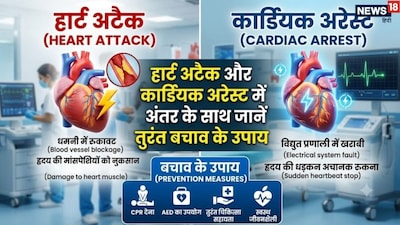
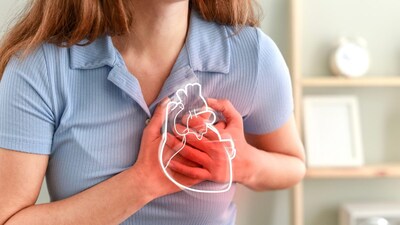
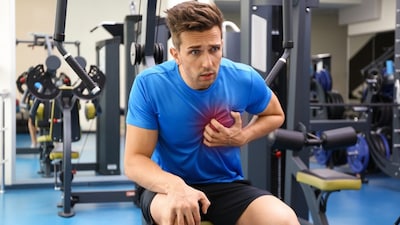
Early heart attack symptoms include chest pain or a heavy pressure sensation in the middle of the chest that may spread to the arms, back, neck, jaw, or stomach. Other warning signs involve shortness of breath, sudden cold sweats, nausea, lightheadedness, and unusual fatigue.
If you suspect a heart attack, do not wait or delay calling for help. Immediately contact an ambulance or emergency services rather than driving yourself, and remain seated at rest to avoid placing extra strain on the body. According to guidelines, chewing an aspirin may be considered for conscious adults unless allergic or advised otherwise by a doctor.
Heart disease risks are rising among younger populations due to factors such as changing lifestyles, high mental stress, smoking, poor dietary habits, and a lack of regular exercise. Unhealthy routines, high cholesterol, and obesity can cause plaque buildup in arteries, obstructing blood flow and significantly increasing the likelihood of a heart attack.