Stories
Heart Attack vs Cardiac Arrest vs Stroke: Understanding the Differences and Symptoms
N
News18•08-10-2026, 17:23
Heart Attack vs Cardiac Arrest vs Stroke: Understanding the Differences and Symptoms
- •Dr. Nityanand Tripathi explains how the circulatory system works, pumping blood through arteries, veins, and capillaries spanning thousands of kilometers.
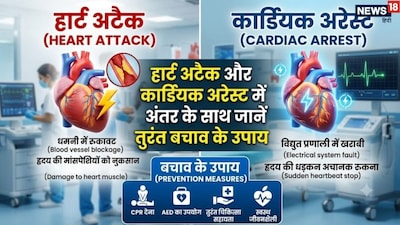
- •A heart attack occurs when blocked or ruptured arteries deprive heart cells of oxygen and nutrients, leading to severe chest pain and potential cell death.
- •Cardiac arrest is the complete cessation of the heart beating due to malfunctioning electrical pacemakers, causing immediate unconsciousness and requiring instant CPR.
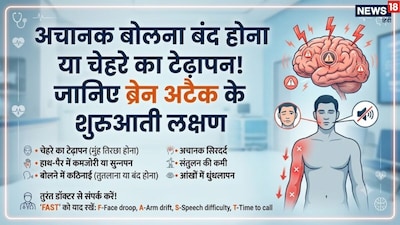
- •Brain strokes can be ischemic, linked to heart issues where blood fails to reach the brain, or hemorrhagic, caused by ruptured blood vessels in the brain.
Key Questions Answered
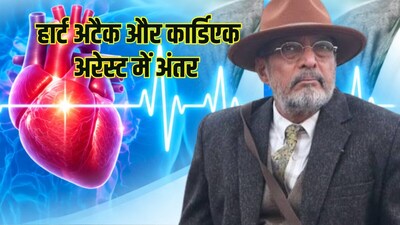
A heart attack occurs when blocked or ruptured arteries deprive heart muscles of blood and oxygen, whereas a cardiac arrest happens when the heart's electrical pacemakers malfunction and cause the heart to stop beating entirely.
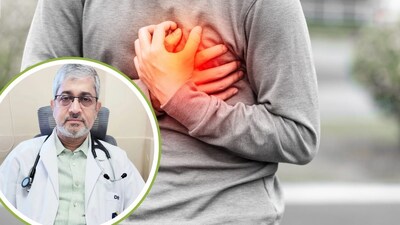
Heart attack symptoms include chest pain or discomfort, arm or jaw pain, shortness of breath, dizziness, and weakness. Major risk factors involve excessive smoking, an unhealthy diet, diabetes, high blood pressure, and a sedentary lifestyle.
In an ischemic brain stroke, a heart attack or cardiac arrest stops the heart from pumping blood. Without blood circulation, oxygen fails to reach the brain, causing brain cells to die.