Stories
Is intense exercise dangerous for your heart? Expert advice for gym-goers

- •While regular exercise is medicine for the heart, suddenly jumping into very intense workouts can trigger a heart attack or cardiac damage.
- •Warning signs during exercise include chest pain, severe shortness of breath, dizziness, lightheadedness, and irregular heartbeats.
- •Dr. Gautam H.G. from Fortis Hospital advises beginners or those returning after a long break to start slowly according to their physical strength.
- •Always begin with warm-up exercises to prepare the body and do not skip cool-down stretches after the workout.
- •Avoid lifting weights beyond your capacity or doing strenuous workouts without proper preparation to prevent severe health risks.
Key Questions Answered
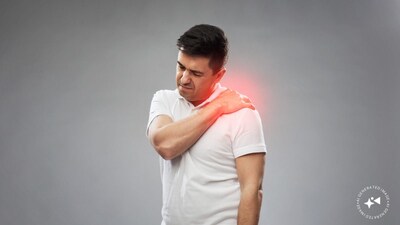
If you experience chest pain, pressure, tightness, discomfort radiating to the arm, shoulder, back, neck, or jaw, you must stop exercising immediately. Other warning signs include unusual or severe shortness of breath, dizziness, lightheadedness, fainting spells, or a heart rate that suddenly becomes strong, unusually fast, or irregular.
Plunging straight into rigorous workouts or heavy weightlifting without any precautions causes extreme stress on the body. This can cause heart rate and blood pressure to shoot up rapidly, potentially triggering a heart attack or cardiac damage.
First-timers or those resuming exercise after a long break should start slowly according to their physical strength, beginning with light exercises, warm-ups, brisk walking, or moderate cycling. Always allow your body time to adapt before gradually increasing workout duration and intensity, and never skip warm-up and cool-down sessions.