Stories
India's Counter-Terror Strategy Evolves: A Decade of Surgical Strikes and Precision Operations

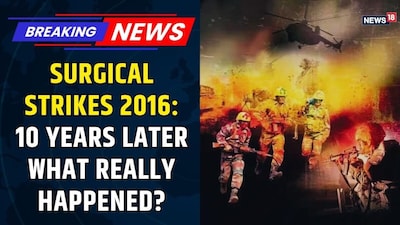
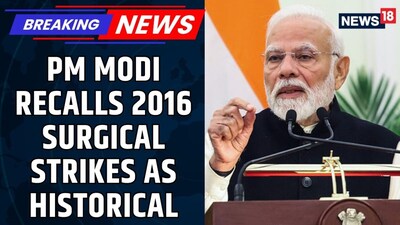
- •India's counter-terror response has significantly evolved since the 2016 Surgical Strikes, which targeted terrorist launch pads across the Line of Control following the Uri terror attack.
- •The Balakot air strike in February 2019, after the Pulwama attack, marked another major step in India's strategy against cross-border terrorism.
- •Operation Sindoor, launched in May 2025 after the Pahalgam terror attack, targeted terrorist infrastructure in Pakistan and Pakistan-occupied Jammu and Kashmir.
- •This report reviews a decade of operations, changing military capabilities, and the evolution of India's counter-terror doctrine from 2016 to 2026.
Key Questions Answered
The September 28–29, 2016 surgical strikes followed the Uri terror attack, which resulted in the deaths of 19 Indian Army soldiers. In response, Indian special forces targeted terrorist launch pads across the Line of Control based on credible intelligence.
Operation Sindoor was launched in May 2025 following the Pahalgam terror attack, which claimed the lives of 26 civilians in Kashmir's tourist belt. The military action targeted terrorist infrastructure located in Pakistan and Pakistan-occupied Jammu and Kashmir.
Over the decade, India transitioned its national security doctrine from strategic restraint to proactive deterrence and suitable retribution. This evolution included cross-LoC ground actions, the 2019 Balakot airstrike, and precision technology-driven operations like Operation Sindoor.