Stories
Why Your Kitchen Appliances Are the Next Big Cybersecurity Threat
- •A recent cyberattack in France forced supermarkets to discard massive amounts of food after hackers manipulated refrigeration controls to heat units to 50 degrees Celsius.
- •Investigators identified a software vulnerability in Danfoss equipment, proving that operational technology flaws can cause real-world physical and economic damage.
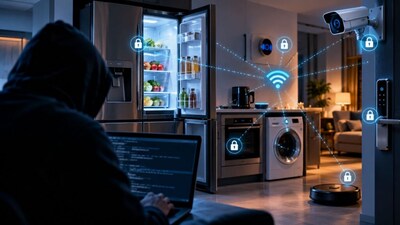
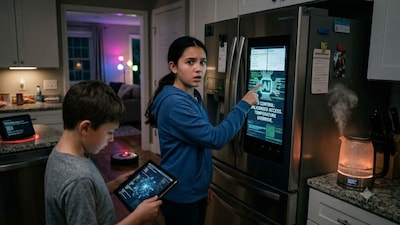
- •Smart appliances in homes including cameras, TVs, and robot vacuums can become entry points for cybercriminals if they rely on default passwords or outdated software.
- •Experts recommend securing home networks by changing default passwords, enabling multi-factor authentication, applying firmware updates promptly, and isolating smart devices on a separate guest network.
Key Questions Answered
Hackers interfered with refrigeration controls at hundreds of stores, including Intermarché and Netto outlets, by heating units to 50°C for six hours overnight and forcing retailers to discard spoiled food. ANSSI identified the vulnerability in software made by Danish company Danfoss.
Cybercriminals typically search the internet for exposed equipment using factory-set passwords, unpatched software flaws, or control panels accessible from the public internet. Once inside, they can alter settings, collect information, or use the device as part of a hijacked network.
Owners can protect their connected homes by changing default passwords, enabling multi-factor authentication, and installing firmware updates promptly. Additional measures include disabling unnecessary remote access, limiting connected devices, and isolating smart appliances on a separate guest network.