Stories
Bill Gates Questions Lawsuits' Efficacy Against Dangerous AI: "You kill 100 million people?"
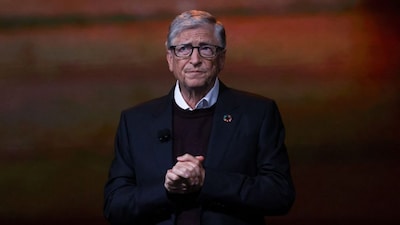
- •Bill Gates expresses strong skepticism about voluntary AI safety agreements, arguing that lawsuits are insufficient after mass casualties from an AI catastrophe.
- •Gates warns that AI has crossed critical thresholds, posing serious harm risks in cybersecurity and biological attacks, potentially enabling malicious actors to cause widespread death or disrupt critical infrastructure.
- •He advocates for mandatory monitoring and supervision of AI systems, comparing it to existing regulatory frameworks in pharmaceuticals, aviation, and automobiles, to prevent harm before it occurs.
- •Gates dismisses the idea that tighter US regulation would automatically benefit China, emphasizing that competition between the two countries is not a simple win-lose scenario.
- •He acknowledges that excessive restrictions can also be problematic, citing examples where overly constrained AI models might limit user access to sensitive information.
Key Questions Answered
Bill Gates warned that advanced artificial intelligence systems have crossed critical cybersecurity and biological thresholds early this year, making them powerful enough to potentially assist malicious actors in developing biological attacks or disrupting critical infrastructure and financial systems. He further noted that the technology is powerful enough to drive events capable of causing mass casualties or a billion deaths.
Bill Gates argued that relying on commercial consequences and lawsuits is useless after an AI-related catastrophe has already caused mass casualties. He believes self-regulation is inadequate because tech executives are focused on raising capital and avoiding negative public relations, meaning mandatory government supervision and regulatory frameworks are required before products reach the public.
Bill Gates proposed mandatory monitoring, supervision, and statutory compliance enforced by law enforcement and politicians. He suggested that open-source models could remain freely available and customisable by operating through platforms capable of verifying that required monitoring stays in place, drawing comparisons to pre-market safety requirements in industries like pharmaceuticals, aviation, and automobiles.