Stories
Can Hackers Hack Your Fridge? Insights From French Supermarket Attacks
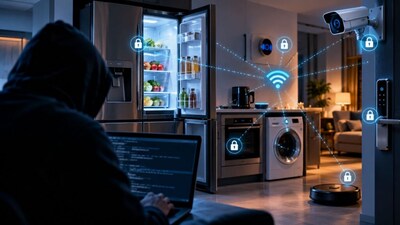
- •Recent cyberattacks on French supermarket refrigeration systems highlight the growing risks associated with internet-connected equipment.
- •Any device connected to the internet, including smart refrigerators, thermostats, and security cameras, is theoretically vulnerable to hacking.
- •Hackers typically target connected devices to steal data, disrupt services, or use them as entry points into larger networks.
- •Routers account for over three-quarters of attacks on connected devices, making network security crucial.
- •Experts recommend changing default passwords, enabling two-factor authentication, and keeping software updated to protect devices.
Key Questions Answered
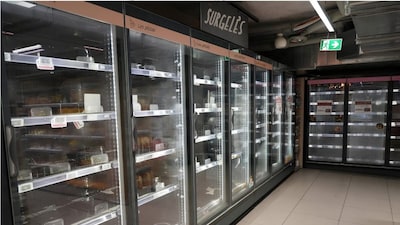
Hackers exploited vulnerabilities in internet-connected equipment, specifically targeting software supplied by Danish company Danfoss that controlled supermarket cooling systems. This allowed attackers to manipulate temperatures remotely across hundreds of stores.
Experts recommend changing default passwords, enabling two-factor authentication, and regularly installing software updates. Consumers should also limit the number of connected devices and remove products that no longer receive security patches.
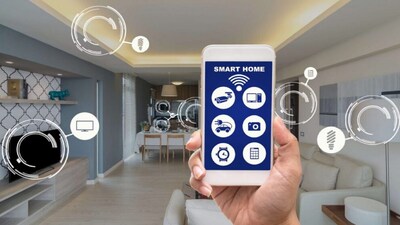
Common targets include internet-controlled devices like security cameras, video doorbells, alarm systems, smart locks, and thermostats. Routers account for more than three-quarters of all attacks on connected devices, while smart appliances such as refrigerators and washing machines are also vulnerable.