Stories
Spain's Daring Human Tower Tradition: A Spectacle of Balance, Trust, and Community Spirit
N
News18•05-10-2026, 08:39
Spain's Daring Human Tower Tradition: A Spectacle of Balance, Trust, and Community Spirit
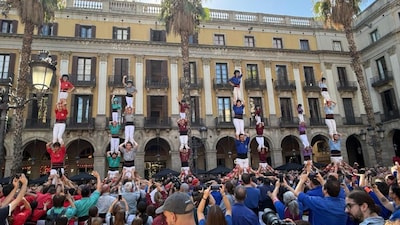
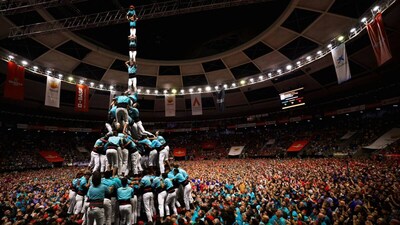
- •Castells are centuries-old human towers from Catalonia, Spain, where people stand on each other's shoulders to build multi-level structures.
- •The tradition emphasizes teamwork, coordination, and community spirit, similar to India's Dahi Handi.
- •The base of the tower, called the pinya, supports climbers, with smaller participants forming upper levels, and an enxaneta (often a child) completing the tower at the top.
- •Originating in the 18th century, castells evolved from folk dances and are now practiced by teams called colles castelleres across Catalonia.
- •Recognized by UNESCO in 2010 as Intangible Cultural Heritage, castells celebrate cultural identity and strengthen social bonds.
Key Questions Answered
Castells are traditional human towers that originate from Catalonia in northeastern Spain, dating back to the 18th century. The practice evolved from a folk dance into a powerful expression of teamwork, community spirit, and Catalan cultural identity.
The enxaneta is the person who reaches the very top of the human tower, often a young child. They complete the tower by climbing into position and raising one hand to signal success, which is greeted with cheers from spectators.
UNESCO recognized castells as an Intangible Cultural Heritage of Humanity in 2010, acknowledging their significant role in preserving cultural identity and strengthening social bonds.