Stories
Unmasking India's Heritage: Six Traditional Masks Reflecting Rich Cultural Stories
N
News18•05-10-2026, 11:00
Unmasking India's Heritage: Six Traditional Masks Reflecting Rich Cultural Stories
- •India's traditional masks are more than decorative objects; they embody local beliefs, mythology, folklore, and centuries-old artistic practices, crafted from materials like wood, papier-mâché, and bamboo.
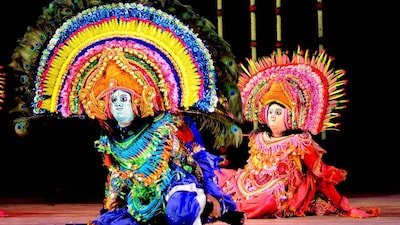
- •Purulia Chhau masks from West Bengal, known for wide eyes and elaborate crowns, are used in the Chhau folk dance, depicting characters from Hindu epics and receiving a GI tag in 2018.
- •Majuli masks from Assam, preserved by monks and artisans, are made from bamboo, clay, and cloth, representing gods and characters from the Ramayana and Mahabharata for Bhaona religious theatre.
- •Seraikella Chhau masks from Jharkhand are more restrained, allowing dancers to convey emotions through body movements, drawing on mythology, folklore, and martial traditions.
- •Theyyam headgear and face designs from Kerala feature striking colors and intricate facial painting, with towering mudi headgear, embodying divine and legendary figures as an expression of faith.
- •Cham masks from Ladakh are used in Buddhist monastic festivals, depicting protective deities and supernatural figures to convey spiritual stories and symbolize the triumph of good over evil, notably at the Hemis festival.
Key Questions Answered
The Purulia Chhau mask from West Bengal received a Geographical Indication (GI) tag in 2018.
Majuli masks are made using materials such as bamboo, clay, and cloth.
Cham dances are prominently witnessed during the annual Hemis festival in Ladakh.