Stories
Kodagu: India's Coffee Capital Brews Success with 1.2 Lakh Tonnes Production
N
News18•03-10-2026, 17:40
Kodagu: India's Coffee Capital Brews Success with 1.2 Lakh Tonnes Production
- •Kodagu, also known as Coorg, in Karnataka, is recognized as India's coffee capital due to its significant production and ideal growing conditions.
- •The region's cool, humid climate, high rainfall, and fertile soil in the Western Ghats create favorable conditions for coffee cultivation, primarily Arabica and Robusta varieties.
- •For 2025-26, Kodagu is estimated to produce 20,060 metric tonnes of Arabica and 1,01,125 metric tonnes of Robusta, totaling 1,21,185 metric tonnes, surpassing other districts in Karnataka.
- •Karnataka is India's largest coffee-producing state, with Kodagu leading in overall output, while Chikkamagaluru is known for Arabica and Hassan also contributes significantly.
- •Coffee cultivation has deep historical roots in Karnataka, with Chikkamagaluru's Baba Budangiri hills traditionally associated with the origins of coffee farming in India.
Key Questions Answered
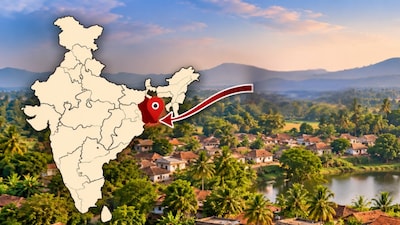
The Kodagu district of Karnataka, widely known as Coorg with Madikeri as its headquarters, is recognized as the coffee capital of India.
For the 2025-26 period, Kodagu is expected to produce 20,060 metric tonnes of Arabica and 1,01,125 metric tonnes of Robusta, bringing its total estimated coffee production to 1,21,185 metric tonnes.
Brazil is the world's largest coffee producer, expected to account for roughly 35.2% of global coffee production with an estimated output of around 63 million 60-kg bags for 2025-26.