Stories
India's Coffee Story Brews Strong: From Plantations to Global Markets on International Coffee Day 2026
N
News18•01-10-2026, 06:50
India's Coffee Story Brews Strong: From Plantations to Global Markets on International Coffee Day 2026
- •International Coffee Day 2026 highlights India's evolving coffee landscape, from traditional Western Ghats plantations to a booming urban cafe culture.
- •The International Coffee Organization's (ICO) 2026 campaign, "Coffee is Part of the Solution," emphasizes coffee's role in livelihoods, communities, and sustainable development globally.
- •India, a major coffee producer and exporter, saw its production estimated at 4.03 lakh tonnes for 2025-26, with exports valued at over ’15,000 crore in 2024-25.
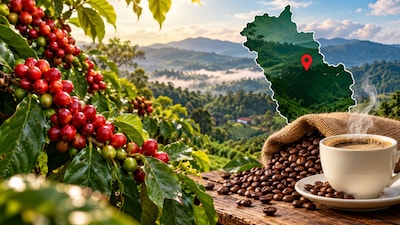
- •The country's coffee heritage, traditionally traced to Baba Budan in the 17th century, now spans Karnataka, Kerala, Tamil Nadu, and emerging regions, growing both Arabica and Robusta varieties.
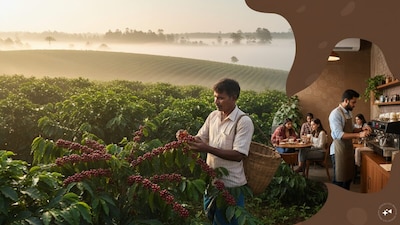
- •Indian coffee is distinctive for its shade-grown cultivation, supporting biodiversity and offering unique flavor profiles, while the industry supports a vast network of small growers.
Key Questions Answered
According to the Coffee Board of India, the introduction of Indian coffee is traditionally traced back to a Sufi saint named Baba Budan, who brought seven coffee seeds from Yemen and planted them in the hills of Karnataka during the 17th century.
The International Coffee Organization's 2026 global campaign is titled "Coffee is Part of the Solution," which highlights the vital role that coffee plays in livelihoods, sustainable development, and communities.
India primarily cultivates Arabica and Robusta varieties across the Western Ghats in states like Karnataka, Kerala, and Tamil Nadu, with Kodagu in Karnataka recognized as a major producing region.