Stories
Rampur's Nawabi Splendor Lives On: From Belgian Chandeliers to Gold-Written Qurans.
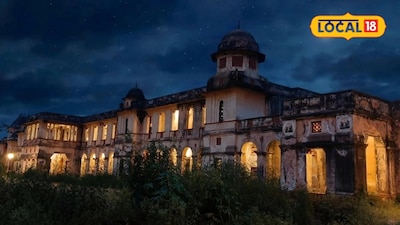
- •Rampur's identity is defined by its Nawabi grandeur, historical buildings, religious sites, and heritage, showcasing its past and modern essence.
- •Khasbagh Palace, spread over 55 acres, blends Mughal, Islamic, and European styles, featuring 205 rooms, Italian marble, Belgian chandeliers, and Burmese teak.
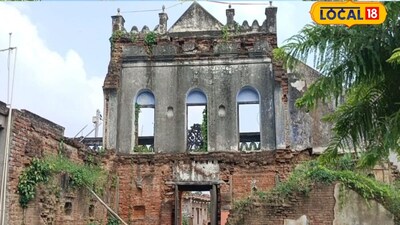
- •Lakkhibagh was named for the one lakh mango trees planted there, while Benazir Kothi served as a summer residence and guest house for Nawabs, now in disrepair.
- •Gandhi Samadhi is one of the few places outside Delhi's Rajghat where a part of Mahatma Gandhi's ashes is preserved, adding to Rampur's historical identity.
- •Raza Library houses 17,000 manuscripts and hundreds of Qurans from the 7th to 19th centuries, including gold-leafed copies and a 7th-century Quran on camel skin.
Key Questions Answered
Spread across 55 acres with 205 rooms, Khasbagh Palace features a blend of Mughal, Islamic, and European architectural styles. It incorporates Italian marble, Belgian chandeliers, and Burmese teak wood, and was completed in 1930 as Asia's first air-conditioned palace of that era.
Raza Library houses approximately 17,000 rare manuscripts and hundreds of copies of the Quran dating from the 7th to the 19th centuries, many decorated with gold leaf. A standout treasure is a 7th-century Quran written in Kufic script on camel skin.
Apart from Rajghat in Delhi, Rampur is one of the rare cities where a portion of Mahatma Gandhi's ashes has been preserved. This peaceful site serves as a popular evening destination for locals and forms an integral part of the city's tourist and historical identity.