Stories
Protecting Cows from Monsoons: Essential Care and Disease Prevention

- •Continuous rain and stagnant water increase the risk of various diseases and damp feed consumption in cattle.
- •Feeding rain-soaked straw or feed can cause digestive disorders, diarrhea, liver damage, and reduce milk production.
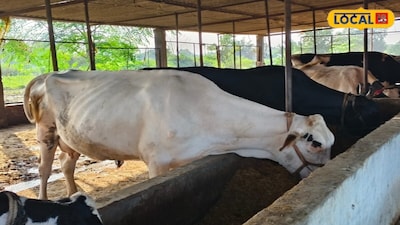
- •Sheds must be kept clean with stagnant water removed, and cattle should only be provided with clean drinking water.
- •Infectious diseases like black quarter, hemorrhagic septicemia, and foot-and-mouth disease are common during the rainy season.
- •Consult a veterinary doctor immediately for timely vaccinations, deworming, and treatment if symptoms appear.
Key Questions Answered
During the rainy season, cattle are particularly susceptible to infectious diseases such as black quarter, hemorrhagic septicemia, and foot-and-mouth disease. Symptoms include fever, limping, swelling in the thigh, jaw, or neck regions, nasal discharge, excessive salivation, and blisters in the mouth and hooves.
Fungi can grow on rain-soaked mixed feed, straw, and groundnut haulms during the rainy season. Feeding these items to cattle can cause digestive disorders, diarrhea, liver damage, reduced milk production, and sometimes even sudden death.
Farmers should administer appropriate vaccinations and deworming medicines under veterinary guidance. They must also maintain feed quality, provide clean drinking water in troughs, keep the shed hygiene clean by removing bushes, and eliminate stagnant water.