Stories
Protect Your Livestock: 5 Essential Tips for Changing Weather

- •Temperature fluctuations and sudden weather changes increase the risk of colds, coughs, fevers, and respiratory issues in animals.
- •Livestock owners must prevent foot-and-mouth disease by taking advantage of official vaccination campaigns and isolating infected animals.
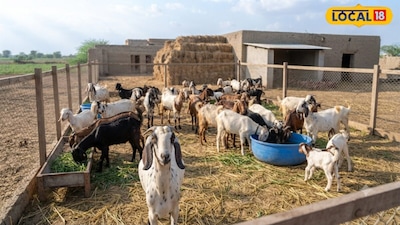
- •Keep animal shelters clean, dry, and free from stagnant rainwater to protect them from cold winds and infections.
- •Provide animals with clean drinking water and fresh, nutritious fodder while avoiding spoiled food.
- •Monitor animal behavior closely and consult a veterinarian immediately if symptoms like sluggishness, high fever, or breathing difficulty appear.
Key Questions Answered
According to Dr. Rakesh Kumar Tiwari, temperature fluctuations, sudden rainfall, and increasing cold can cause issues like colds, coughs, fevers, and respiratory problems. Additionally, consuming dirty water or spoiled fodder can lead to digestive troubles.
Foot-and-mouth disease causes blisters or wounds in the mouth and on the feet of animals. It is contagious and spreads through contact with infected animals. Livestock owners should immediately contact a veterinarian and utilize department-run vaccination campaigns for prevention.
Owners should keep animal living areas clean and dry, ensure no rainwater accumulates around the shelter, provide clean drinking water, and feed fresh, nutritious fodder. Animals should also be kept in safe places to protect them from cold and strong winds, while their behavior and diet must be monitored.