Stories
Natural or Chemical? Simple tricks to identify artificially ripened bananas
- •The Food and Drug Administration recently seized 1400 kg of chemical-infused bananas at the APMC Fruit Market in Navi Mumbai.
- •Traders are violating safety standards by artificially ripening bananas rapidly using a hazardous chemical solution called Ethephon for profit.
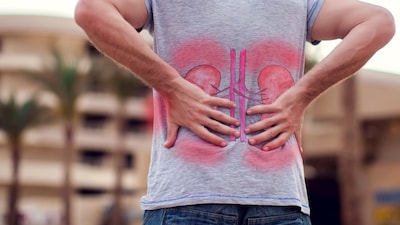
- •Consuming chemically ripened bananas can cause severe gastrointestinal disorders, food poisoning, and long-term kidney or liver failure.
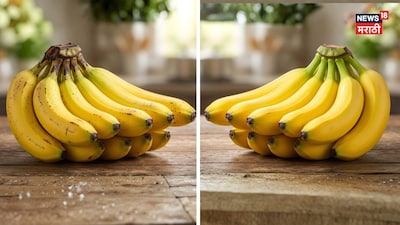
- •Naturally ripened bananas have blackish stems and sugar spots, whereas chemical bananas feature uniform bright yellow skin with green stems.
- •A water test can also help as a natural banana floats on water due to its light weight, while a chemically treated heavy banana sinks to the bottom.
Key Questions Answered
Consuming chemically ripened bananas can immediately cause severe gastrointestinal disorders, acidity, and food poisoning. Furthermore, long-term consumption of these fruits poses a major risk of permanent liver and kidney failure.
Naturally ripened bananas have a pale yellow color with fine brown or black sugar spots, whereas chemically ripened bananas look unusually shiny and uniformly bright yellow without natural blemishes. Additionally, chemically treated bananas often feature a completely yellow peel while their stem remains green.
The Food and Drug Administration raided the APMC Fruit Market in Navi Mumbai and seized 1,400 kg of bananas that were artificially ripened by being directly dipped in a hazardous chemical solution called 'Ethephon'.