Stories
Spotting Chemically Ripened Fruits: A Guide to Protecting Your Family's Health.
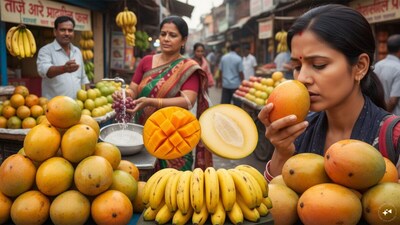
- •Identify by color: Naturally ripened fruits have a normal, uniform color, while chemically ripened fruits may show uneven coloring.
- •Pay attention to the smell: Naturally ripened fruits have a sweet, fresh aroma. If a fruit looks ripe but lacks a distinct aroma, it might be chemically ripened.
- •Check internal and external ripeness: Chemically ripened fruits may appear ripe outside but remain raw inside. Hard, bland, or uneven pulp can indicate artificial ripening.
- •Taste difference: Naturally ripened fruits are sweet and juicy. Chemically ripened fruits often taste bland, less sweet, or unnatural.
- •Beware of overly shiny fruits: Excessively shiny and spotless fruits might have undergone artificial processing. Slight blemishes are normal for natural fruits.
Key Questions Answered
Naturally ripened fruits feature a normal, uniform color and acceptable minor blemishes, whereas chemically ripened fruits often display uneven coloring, such as dark yellow and green patches on mangoes, green spots on yellow bananas, or an excessively shiny, spot-free appearance.
Naturally ripened fruits emit a sweet, fresh, and distinct aroma near the stem and possess a juicy, balanced, sweet taste. In contrast, chemically ripened fruits often lack a proper fragrance, taste bland, less sweet, or unnatural, and can sometimes have a hard, fibrous, or dry pulp.
Always purchase fruits from trusted vendors, select seasonal options, and avoid exceptionally cheap or unusually shiny items. After bringing them home, wash the fruits thoroughly with water, and optionally soak them in water mixed with salt or baking soda for a few minutes to clean them properly.