Stories
Uncovering Punya Mati: The Sacred Soil Behind Maa Durga Idols
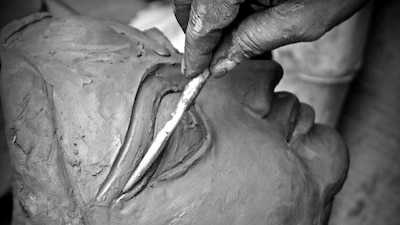
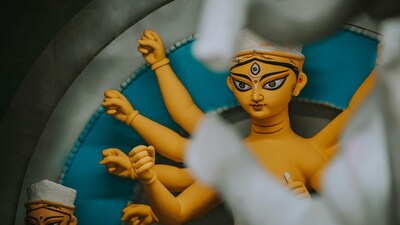
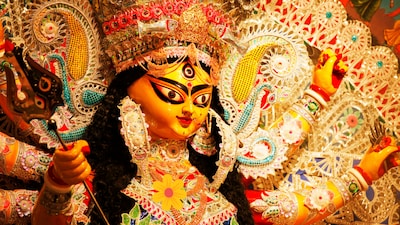
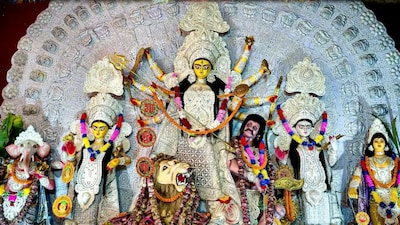
- •Punya mati translates to sacred earth and is a traditional ingredient used in crafting Maa Durga idols in Bengal.
- •A small amount of soil is traditionally collected from outside the home of a sex worker to be mixed with the idol clay.
- •Tradition holds that people leave their virtues and purity at the doorstep when entering a sex worker's premises, making the surrounding soil absorb those qualities.
- •The practice symbolises that the divine transcends human social boundaries and challenges conventional ideas of purity and impurity.
- •Another school of thought links the tradition to Navakanyas, emphasising the respect and reverence due to women from all sections of society during Durga Puja.
Key Questions Answered
Punya mati translates to sacred earth and refers to soil traditionally collected from outside the home or premises of a sex worker to be mixed with the clay for making Goddess Durga's idol. Tradition holds that people leave their purity and virtues at the doorstep when entering these premises, allowing the surrounding soil to absorb those qualities and become sacred.
The practice symbolizes that the divine does not recognize human-created social boundaries. By utilizing soil from a community facing social stigma, it creates a striking contrast with conventional ideas of purity and impurity, serving as a reminder that no person or place exists outside the sacred.
Another school of thought connects the tradition to Navakanyas, which are nine categories of women from diverse social sections deemed worthy of respect during Durga Puja. This belief dictates that honoring these women and feminine power in its many forms is an essential part of worshipping the ten-armed Goddess.