Stories
The Hidden Meaning Behind Punya Maati In Durga Idol Making
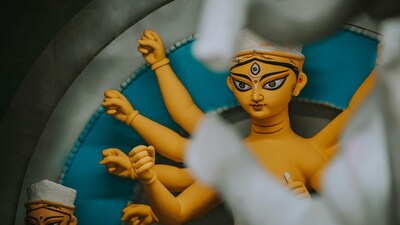
- •Traditional Durga idols in Bengal incorporate Punya Maati, a sacred soil collected from the doorsteps of sex workers in areas like Sonagachi.
- •One belief suggests that men leave their virtue at the doorstep of a sex worker, making the surrounding soil holy and spiritually significant.
- •The ritual symbolizes social inclusion, reminding devotees that the divine feminine encompasses even those marginalized by society.
- •Mythological accounts connect the practice to legends like Lord Ram seeking Goddess Durga's blessings before battling Ravana.
- •The tradition highlights a poignant contrast between symbolic ritualistic inclusion and the everyday social stigma faced by sex workers.
Key Questions Answered
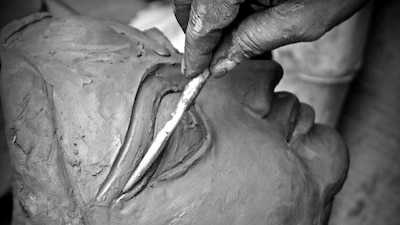
Punya Maati, meaning sacred soil, is earth collected from the doorstep of a sex worker's home and mixed into the clay for traditional Goddess Durga idols in Bengal. According to popular belief, men leave their virtue and purity at the doorstep when visiting, making the surrounding soil accumulate holiness and spiritual significance.
A widely circulated traditional explanation suggests that individuals visiting a sex worker leave their virtue behind at the threshold, causing the soil outside to absorb those qualities and become holy. Additionally, the practice symbolizes that the divine and sacred energy of Goddess Durga extends beyond human-made social boundaries and respectability.
Yes, several legends are linked to the tradition, including a popular account connecting the practice to Lord Ram's autumnal worship of Goddess Durga before fighting Rav, where soil from a sex worker named Ambalika was used. Other interpretations tie the custom to celestial women like Menaka and ancient forms of Shakti worship, though precise historical origins remain debated.