Stories
Menopause Can Trigger Vision Issues: Causes, Symptoms And Eye Care Tips
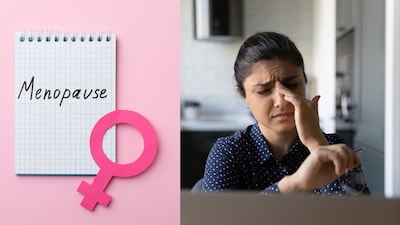
- •Hormonal fluctuations during menopause can affect the tear film and surface of the eye, leading to dryness and irritation.
- •Women over fifty face an increased risk of dry eyes, burning sensations, redness, and excessive watering.
- •While menopause does not directly cause cataracts or glaucoma, hormonal shifts can make existing eye problems more severe.
- •Protect eye health by following the twenty-twenty-twenty rule, taking screen breaks, and avoiding direct air conditioning.
- •Maintain a healthy diet rich in green leafy vegetables, fruits, and dry fruits, and undergo regular eye check-ups.
Key Questions Answered
During menopause, hormonal fluctuations can affect the surface of the eye and tear film, leading to symptoms like dryness, burning, redness, itching, a feeling of something in the eye, or excessive watering. After the age of fifty, the risk of developing dry eyes also increases in most women.
Women can protect their eye health by following the 20-20-20 rule, blinking frequently during screen time, avoiding direct air conditioning or fan airflow into the eyes, and using doctor-recommended lubricating eye drops. Additionally, eating a healthy diet with leafy greens, fruits, and dry fruits, staying hydrated, wearing UV-protective goggles, and managing conditions like diabetes or high blood pressure are essential.
Menopause does not directly cause cataracts or glaucoma, but hormonal changes can make existing eye problems more severe. With advancing age, the risk for these conditions naturally increases, making regular eye check-ups vital, especially for those with diabetes or a family history of eye diseases.