Stories
World Heart Day: How Heart Disease Differs in Women - Cardiologists Explain
N
News18•29-09-2026, 08:30
World Heart Day: How Heart Disease Differs in Women - Cardiologists Explain
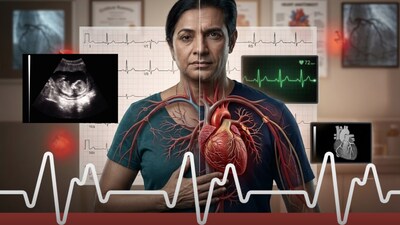
- •Women's heart disease symptoms often deviate from the classic chest pain pattern, including breathlessness, fatigue, nausea, and discomfort in the back, shoulder, or jaw.
- •Biological factors, reproductive health, hormonal changes, and gaps in medical research influence how heart disease is recognized and managed in women.
- •Women are more prone to conditions like coronary microvascular dysfunction and spontaneous coronary artery dissection (SCAD), which affect smaller blood vessels or involve artery tears.
- •Pregnancy complications like preeclampsia and gestational diabetes are red flags for increased cardiovascular risk later in life.
- •Menopause-related hormonal shifts, particularly the drop in estrogen, lead to increased LDL cholesterol and blood pressure, elevating heart disease risk in women.
Key Questions Answered
Unlike the classic crushing chest pain typically seen in men, women experiencing a heart attack may report non-classical symptoms such as breathlessness, unusual fatigue, nausea, indigestion, sweating, dizziness, or discomfort in the back, shoulder, jaw, or upper abdomen.
Adverse pregnancy outcomes like preeclampsia, gestational hypertension, and gestational diabetes can unmask risk early and serve as red flags for cardiovascular disease decades later, allowing doctors to monitor risk factors proactively.
During the menopause transition, dropping oestrogen levels remove some of the natural protection women previously enjoyed, leading to climbing LDL cholesterol and blood pressure levels that help catch up a woman's heart risk to a man's.