Stories
Ghee: Heat it or Add to Hot Food? Maximize Benefits with These Tips
N
News18•30-09-2026, 12:35
Ghee: Heat it or Add to Hot Food? Maximize Benefits with These Tips
- •Deepika Lalwani states both methods of eating ghee—heating it or adding to hot food—are correct.
- •Ghee's benefits depend on how much it's cooked/heated, quantity consumed, and what it replaces in the diet.
- •There's no solid scientific evidence that heating ghee separately increases its nutritional benefits.
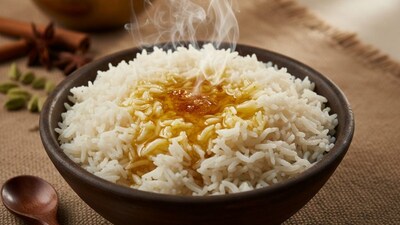
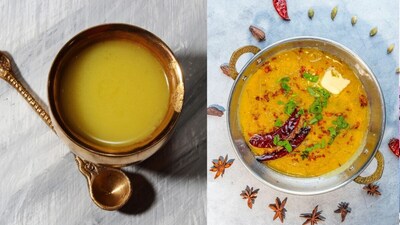
- •Applying ghee to hot roti or adding it to dal, khichdi, or vegetables after cooking are good options.
- •Ghee's fat aids absorption of fat-soluble vitamins A, D, E, K, and carotenoids present in food.
Key Questions Answered
According to clinical nutritionist Deepika Lalwani, there is no solid scientific evidence that heating ghee separately increases its nutritional benefits. Both heating it and consuming it or adding it to hot food are correct methods.
The fat present in ghee helps in the absorption of fat-soluble vitamins such as A, D, E, and K, as well as carotenoids found in food.
Adding ghee on top of existing oil, butter, and other fats increases your total calorie and saturated fat intake. Therefore, it should ideally replace another fat or be included in a balanced quantity rather than acting as an extra fat source.