Stories
Unlock Health: Make Your Own Multigrain Flour at Home with These Simple Steps!
N
News18•28-09-2026, 09:28
Unlock Health: Make Your Own Multigrain Flour at Home with These Simple Steps!
- •Switch from plain wheat flour to homemade multigrain flour for added variety and nutrients in everyday rotis.
- •A basic mix can include wheat, mandua (ragi), barley, corn, and pulses, with customizable quantities based on availability and preference.
- •Different grains and pulses offer diverse nutrients; for example, barley and millets provide fiber, while soybean and black bhatt contribute protein.
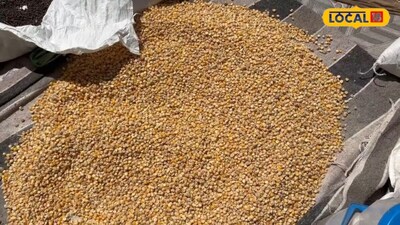
- •Before grinding, meticulously clean all grains and pulses, removing impurities and ensuring they are completely dry to prevent spoilage.
- •Lightly roast some ingredients like black bhatt to enhance flavor and aroma, but avoid over-roasting to prevent burning.
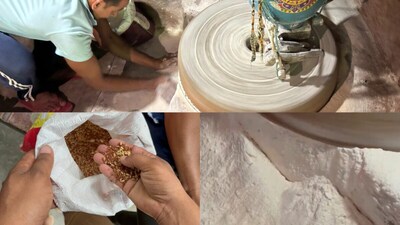
- •Grind ingredients together or separately, sifting for a smoother flour or leaving coarse for texture, then store in a clean, dry, airtight container.
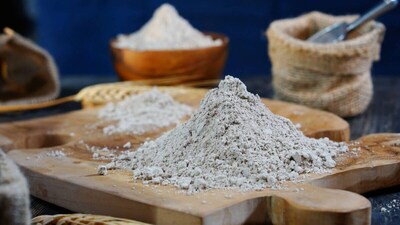
- •Homemade multigrain flour can be used for rotis, parathas, halwa, and other dishes, offering flexibility to customize ingredients and proportions.
Key Questions Answered
A traditional combination for preparing around 5 kg of multigrain flour includes 2.5 kg of wheat, 1 kg of ragi (mandua), 500 g of ogal or phaphar, 500 g of barley, 250 g of black bhatt or soybean, and 250 g of corn.
Checking grains for impurities and drying them completely—preferably in sunlight—is crucial because even a small amount of moisture can negatively affect the shelf life and quality of homemade flour.
Homemade multigrain flour should be kept in a clean, completely dry, and airtight container away from moisture, direct sunlight, and insects. Preparing smaller batches instead of a large quantity at once also helps maintain better freshness.