Stories
Taste of Asia: 8 Regional Dumpling Varieties You Need To Know
N
News18•26-09-2026, 18:00
Taste of Asia: 8 Regional Dumpling Varieties You Need To Know
- •Dumplings across Asia come in countless shapes, sizes, and flavors, from steamed to pan-fried or boiled in broths, with fillings ranging from meat and seafood to vegetables, cheese, and sweet ingredients.
- •Jiaozi, China's well-known dumplings, are often associated with Chinese New Year and symbolize prosperity, filled with minced pork, beef, or chicken and vegetables.
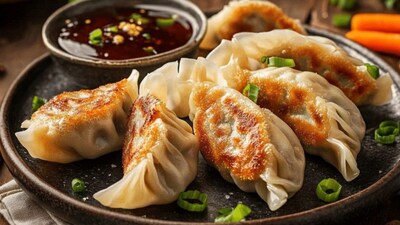
- •Japanese gyoza, closely related to Chinese dumplings, feature a thin wrapper and are commonly pan-fried then steamed for a crunchy base and juicy filling.
- •Korean mandu can be steamed, boiled, fried, or added to soups, with fillings like minced meat, tofu, vegetables, and kimchi, often featured in mandu-guk soup.
- •Momo, popular in Nepal and the Himalayan region, are traditionally steamed with meat or vegetable fillings, with many modern variations available.
- •Mongolian buuz are large, steamed dumplings filled with minced mutton or beef, strongly associated with Tsagaan Sar, the Mongolian Lunar New Year.
- •Manti, small dumplings found across Central Asia and Turkey, are generally filled with minced meat and served with sauces or yogurt, often with garlic yogurt and spiced butter in Turkish cuisine.
- •Indonesia's siomay is a steamed dumpling dish influenced by Chinese traditions, commonly made with fish paste and served with tofu, potatoes, cabbage, bitter melon, and a rich peanut sauce.
Key Questions Answered
Jiaozi are typically filled with minced pork, beef, or chicken along with vegetables like cabbage and spring onions. They are especially associated with Chinese New Year celebrations and are shaped to resemble ancient Chinese ingots, serving as a symbol of prosperity.
Japanese gyoza are commonly prepared by first pan-frying them and then adding water and covering the pan so they steam while the bottom develops a crisp finish.
Indonesian siomay is a steamed dumpling dish commonly made using fish paste rather than a standard dough wrapper. It is served alongside ingredients like tofu, potatoes, cabbage, and bitter melon, and is typically accompanied by a rich peanut sauce, sweet soy sauce, and a squeeze of lime.