Stories
Eating black salt carelessly? A single mistake can cause heart disease
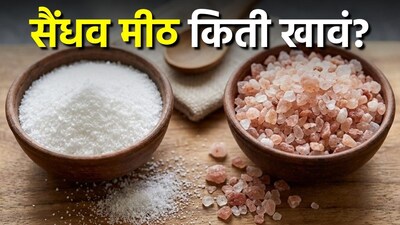
- •Many households are replacing refined white salt with rock salt or pink salt to avoid high blood pressure and heart ailments.
- •Both white and rock salt contain high amounts of sodium, and excess sodium puts immense pressure on blood vessels.
- •Rock salt has a milder taste intensity, causing people to unknowingly add larger quantities during cooking, leading to excessive sodium intake.
- •According to WHO guidelines, a healthy adult should consume less than 5 grams of salt per day to avoid health complications.
- •Health experts recommend maintaining a balance by using iodized white salt for daily cooking to meet iodine needs and using rock salt moderately for salads or fasting foods.
Key Questions Answered
Both regular and rock salts contain high amounts of sodium. Excessive sodium intake exerts enormous pressure on blood vessels, directly triggering high blood pressure which can lead to serious and life-threatening conditions such as heart attacks, strokes, kidney diseases, and body swelling.
According to World Health Organization (WHO) official guidelines, a healthy adult requires less than 5 grams of salt per day, which is barely a small teaspoon. Exceeding this daily limit in your diet can trigger various health issues.
Health experts advise against relying entirely on any single type of salt. You can maintain a proper balance by using a small amount of white iodized salt in everyday cooked food to meet the body's essential iodine requirements, while using rock salt for salads, buttermilk, or fasting foods.