Stories
Cooker vs Pot: Which Is The Healthiest Way To Cook Rice?
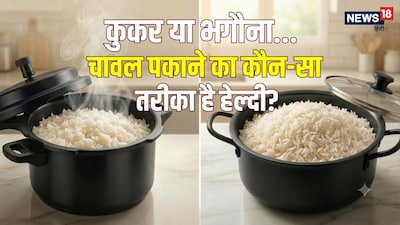
- •Cooking rice in a pressure cooker saves time and preserves water-soluble nutrients since the water is not drained.
- •Boiling rice in a pot and discarding the starch water removes some extra starch but can also lead to the loss of certain vitamins.
- •For diabetes or weight management, controlling the portion size and balancing the meal with protein and fiber matters more than just the cookware.
- •Cooling cooked rice can increase its resistant starch content, changing how it is digested in the body.
- •Washing rice thoroughly and combining it with lentils, vegetables, or curd helps maintain a healthy and balanced diet.
Key Questions Answered
Cooking rice in a pressure cooker saves time and retains water-soluble nutrients and starch because the water is not drained. In contrast, boiling rice in a pot and discarding the starchy water removes extra starch along with some water-soluble vitamins and nutrients.
The effect is mixed. Draining the starch may remove some starch, but the impact on blood sugar varies based on the rice variety, cooking method, and individual factors. Diabetes patients should focus more on controlling portion sizes and pairing rice with lentils, protein, and fiber-rich vegetables.
Cooling cooked rice and storing it in the fridge can increase its resistant starch content, which does not digest completely in the small intestine. However, the claim that this consistently reduces the calorie count by 15 to 20 percent cannot be made with certainty. Cooked rice should be cooled quickly, stored safely in the refrigerator, and reheated thoroughly before consumption.