Stories
The Stinging Catfish: How This Fish Survives Months Without Water Underground
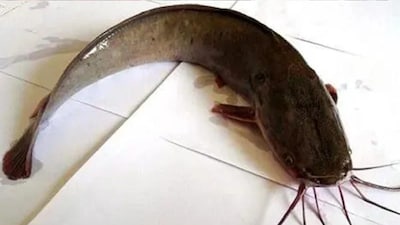
- •The stinging catfish can survive for months without water by burrowing deep under the soil, a remarkable natural phenomenon.
- •It possesses a long, tubular respiratory sac that allows it to breathe oxygen directly from the air, unlike most fish that rely on gills.
- •During summer, as water bodies dry up, the stinging catfish digs nearly a foot deep into the mud, a process known as aestivation.
- •Underground, its bodily functions slow down significantly, including heart rate and metabolism, relying on stored fat for energy.
- •A thick, sticky mucus layer on its skin and special blood proteins help retain moisture, while waste products are converted to less toxic urea.
Key Questions Answered
The stinging catfish survives by using a tubular respiratory sac to breathe oxygen directly from the air instead of water. When ponds dry up, it burrows deep into the mud and enters aestivation, slowing its heart rate, reducing its metabolism, and relying on stored body fat.
The stinging catfish has a thick, sticky layer of mucus on its body that helps retain moisture even in dry soil. Meanwhile, internal blood proteins prevent cell dehydration, and the kidneys minimize water wastage while converting accumulated toxic ammonia into relatively safe urea.
Yes, the stinging catfish can 'walk' on land without water by anchoring its pectoral fins to the ground and moving forward by bending its body like a snake. This allows them to migrate across wet fields from a dry ditch to a nearby pond during the first monsoon rains.