Stories
Spondylitis: Numbness, Neck Pain? Understand Causes & Remedies from Experts
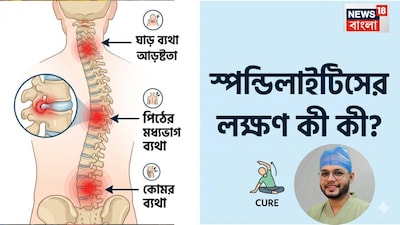
- •Spondylitis involves inflammation or degenerative changes in the spine's joints, discs, or structures, causing neck or back pain and stiffness.
- •Symptoms include neck/back pain, stiffness, reduced spinal mobility, and muscle rigidity; nerve compression can lead to numbness or weakness in limbs.
- •Causes range from age-related wear, injury, obesity, smoking, and prolonged physical strain to abnormal immune responses and genetic factors in inflammatory types.
- •Poor posture doesn't directly cause spondylitis but prolonged uncomfortable positions can exacerbate existing spinal issues and cause pain.
- •Treatment includes exercise, physiotherapy, weight management, medication, and sometimes injections or surgery; early diagnosis is crucial for managing chronic conditions.
Key Questions Answered
Common symptoms include neck or back pain, stiffness, reduced spinal mobility, and muscle rigidity, with pain sometimes radiating to shoulders, arms, buttocks, or legs. If a nerve is compressed, individuals may experience numbness, tingling, or weakness in the hands and feet. For inflammatory conditions, morning stiffness is typically more pronounced and tends to improve with movement or activity.
Spondylosis primarily refers to age-related wear and tear of the spine's joints and discs. In contrast, inflammatory spondylitis, such as ankylosing spondylitis, is specifically associated with inflammation of the spine and sacroiliac joints, driven by abnormal immune responses and genetic factors rather than just aging.
Poor posture does not directly cause spondylitis, but prolonged uncomfortable postures and bending the neck for long periods over mobile phones or laptops—often called 'text neck'—can put excessive pressure on spinal muscles and joints. This exacerbates pain, stiffness, and pre-existing cervical spine problems, though it does not necessarily mean someone will develop the disease.