Stories
Parthenium Weed: A Major Threat to Health and Agriculture, Spreading Rapidly with 25,000 Seeds Per Plant
N
News18•04-10-2026, 08:30
Parthenium Weed: A Major Threat to Health and Agriculture, Spreading Rapidly with 25,000 Seeds Per Plant
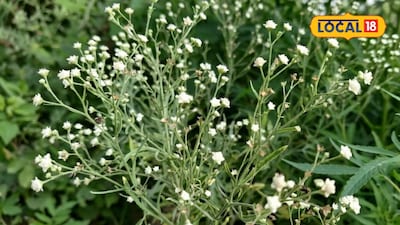
- •Parthenium weed, also known as Chatak Chandni or Carrot Grass, is rapidly spreading in vacant lands, roadsides, and around houses, posing a significant threat to human health, animals, crops, and the environment.
- •Continuous contact with Parthenium weed can cause skin problems like itching, red rashes, eczema, and increase the risk of asthma, especially for those working in fields and grassy areas.
- •Originating from America, Parthenium hysterophorus arrived in India in 1955 with imported wheat and was first reported in Pune, Maharashtra, subsequently spreading nationwide.
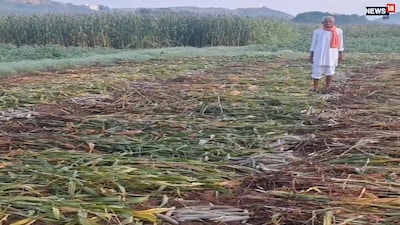
- •One Parthenium plant can produce 5,000 to 25,000 seeds annually, which spread through air, water, and other mediums, affecting local biodiversity and potentially reducing crop production by up to 40 percent.
- •Control measures include removing the weed before it flowers and produces seeds, wearing gloves, and adopting mechanical, chemical, or biological methods; collective campaigns are crucial for effective eradication.
Key Questions Answered
Continuous contact with Parthenium weed can cause skin problems such as itching, red rashes, and skin diseases, while prolonged contact increases the risk of eczema and asthma. Additionally, its pollen spreading through the air can trigger severe allergies and breathing difficulties.
The seeds of Parthenium weed arrived in India in 1955 alongside wheat imported from America, and it was first reported in Pune, Maharashtra before gradually spreading nationwide.
Parthenium weed releases toxic chemicals like sesquiterpene lactone that affect the growth of nearby vegetation and can reduce agricultural crop production by up to 40 percent.