Stories
Grow Berseem Now for High-Protein Dairy Fodder and Six Cuttings by April
N
News18•05-10-2026, 16:35
Grow Berseem Now for High-Protein Dairy Fodder and Six Cuttings by April
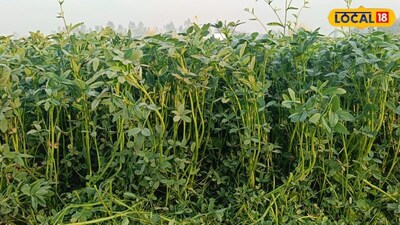
- •The period from the last week of September to mid-October is ideal for berseem sowing, using improved varieties like BL 10, Vardan, or JB-1 with 10 to 12 kg of seeds per acre.
- •Seeds should be cleaned using a five percent salt solution to remove chicory weed seeds and treated with Rhizobium culture before broadcasting in standing water.
- •Proper water management and drainage are crucial to prevent fungus diseases, requiring irrigation every 12 to 15 days in winter and 8 to 10 days as temperatures rise.
- •The first cutting is ready in 45 to 50 days, followed by cuttings every 25 to 30 days, yielding a total of 5 to 6 cuttings until April while leaving 5 to 7 cm height for regrowth.
- •Berseem provides 22 percent protein to improve dairy animal health and milk production, while also fixing nitrogen in the soil to enhance overall soil fertility.
Key Questions Answered
The period from the last week of September to the middle of October is considered suitable for planting berseem. Farmers typically need about 10 to 12 kilograms of seeds for an acre of land.
Before sowing, the seeds are placed into a five percent salt solution to separate harmful chicory weed seeds. The cleaned seeds are then dried and treated with Rhizobium culture.
The first cutting of berseem can usually be done about 45 to 50 days after sowing. Under favorable conditions, a total of 5 to 6 cuttings can be harvested until April or May.