Stories
Farmers to Become Crop Doctors: Identify Nutrient Deficiencies by Plant Signals.
N
News18•03-10-2026, 09:18
Farmers to Become Crop Doctors: Identify Nutrient Deficiencies by Plant Signals.
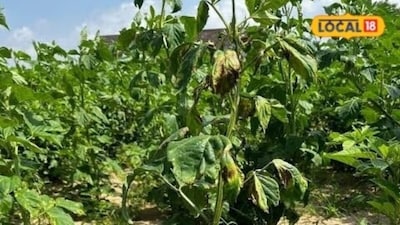
- •Crops signal nutrient deficiencies through leaves, new growth, and pods/fruits.
- •Dr. R.K. Singh states farmers can estimate deficiencies by observing changes in leaf color, edges, veins, and old/new leaves.
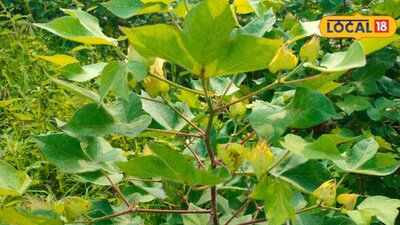
- •Yellowing old leaves may indicate nitrogen deficiency; dark green/purple leaves and weak roots suggest phosphorus deficiency.
- •Potassium deficiency shows yellowing and scorching on leaf edges; calcium deficiency affects new growth and can cause fruit rot.
- •Magnesium deficiency causes yellowing between leaf veins while veins remain green; sulfur and iron deficiencies turn new leaves yellow.
Key Questions Answered
If old leaves turn yellow and plant growth slows down, it may signal a nitrogen deficiency. Conversely, darker green or purple leaves, weak root growth, and fewer flowers indicate a possible phosphorus deficiency according to expert findings.
Potassium deficiency is easily identified by yellowing, drying, or scorching along the edges of the leaves, while calcium deficiency primarily affects new growth, causing buds and young leaves to become weak or dry out.
To distinguish between sulfur and iron deficiencies, farmers should check the age of the leaves and their veins. In iron deficiency specifically, the veins of new leaves often remain green while the area between them appears yellow.