Stories
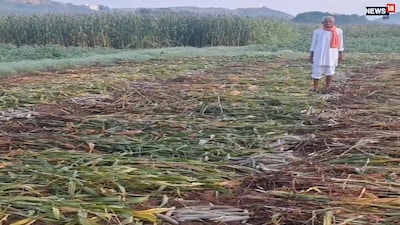
Sikar's Kharif Crops Face Double Whammy: Cluster Beans Pods Lack Moisture for Grain Filling

- •Kharif crops, sown with hopes of good monsoon rains, are now suffering due to changing weather patterns.
- •Increased gaps between rainfall events in August and early September have reduced soil moisture, impacting growth, flowering, and grain formation in pods.
- •Cluster bean crops are most affected, as sufficient moisture is crucial for grain filling, which is currently lacking.
- •Green gram and moth bean crops are also struggling due to insufficient rain, leading to weakening plant conditions.
- •A total of 4,25,464 hectares in the district were sown with Kharif crops this year, including pearl millet, cluster beans, groundnut, green gram, cowpea, and moth beans.
Key Questions Answered
An increasing gap in rainfall after August and through early September reduced soil moisture, directly affecting growth, flowering, and grain filling in pods. The cluster bean crop is currently showing heavy weather stress, while green gram and moth bean plants are also weakening due to low field moisture.
Kharif crops have been sown across a total of 4,25,464 hectares in the district, including major shares of pearl millet and cluster beans. The estimated overall production for these Kharif crops is approximately 5,95,610 metric tons.
While a prolonged dry spell has raised serious concerns about potential crop losses and declining production, rising market prices for cluster beans have offered some financial relief to farmers. Agricultural experts note that light rain could benefit the crops now, whereas heavy continuous rain risks waterlogging, root oxygen deprivation, and fungal infections.