Stories
Beware of WhatsApp Scam: Why Replying No to Fake Bank Alerts Puts You at Risk
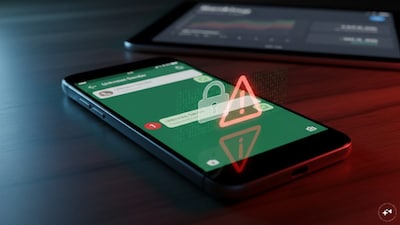
- •Hyderabad Police Commissioner V C Sajjanar warned the public against replying to unknown WhatsApp messages claiming unauthorized bank debits.
- •Fraudsters send urgent messages asking users to reply NO to fraudulent debit alerts, allegedly risking auto-execution malware attacks.
- •While technical claims about replying to simple texts triggering malware need verification, experts warn against interacting with suspicious numbers.
- •Always verify bank statements directly through official apps or net banking rather than trusting text messages.
- •Report financial cybercrimes immediately by calling the national helpline 1930 or visiting the Cyber Crime Reporting Portal.
Key Questions Answered
According to Hyderabad Police Commissioner V C Sajjanar, responding to such messages from unknown numbers can trigger an auto-execution file attack that allows fraudsters to take control of the phone and steal money, though this technical claim needs independent verification and is not typical for ordinary text replies.
Do not reply or follow instructions from unknown numbers. Instead, verify the debit directly via your bank's official app, avoid suspicious files and links, block and report the sender, and contact your bank's official customer care channel if an unauthorised transaction is found.
Report the fraud immediately by calling India's national cybercrime helpline for financial fraud at 1930 or file a complaint through the National Cyber Crime Reporting Portal to help authorities and banks trace or hold the funds.