Stories
Why New Airline Security Protocols Are Imperative After FlyDubai Incident
F
Firstpost•07-10-2026, 12:22
Why New Airline Security Protocols Are Imperative After FlyDubai Incident
- •Capt Smit Machchhar successfully saved 180 passengers on a FlyDubai flight from Dubai to Tel Aviv after co-pilot Hamam al Hammami attempted a crash.
- •The foiled attack highlights severe vulnerabilities as global air passenger numbers exceed 4.5 billion annually, making aviation a prime terror target.
- •Aviation authorities must implement stronger vetting and continuous monitoring of airline crews to detect radicalisation and behavioural changes early.
- •Cockpit security protocols urgently need revision, including emergency tools like axes and override mechanisms to prevent sabotage by rogue crew members.
Key Questions Answered
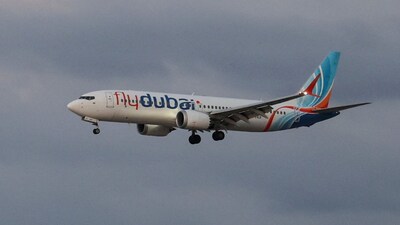
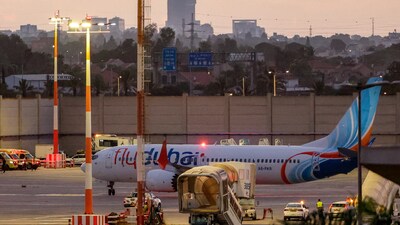
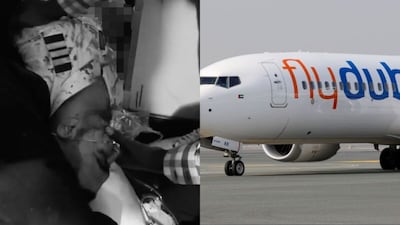
Capt Smit Machchhar successfully saved 180 passengers on a FlyDubai flight by fighting off a murderous attack by the radicalised Omani co-pilot, Hamam al Hammami, who attempted to crash the plane using a cockpit axe.
Following the 9/11 attacks and the heavy fortification of cockpit doors, aviation regulators mandated that emergency breaching tools like axes be placed inside the cockpit for easy pilot access during fires or emergencies, rather than in the main cabin.
Key recommendations include stronger vetting and long-term monitoring of airline crews to detect radicalisation, alongside new cockpit protocols and override mechanisms to prevent sabotage by rogue pilots.