Stories
Flydubai Incident: How Airlines Prevent Pilot Attacks and Ensure Safety

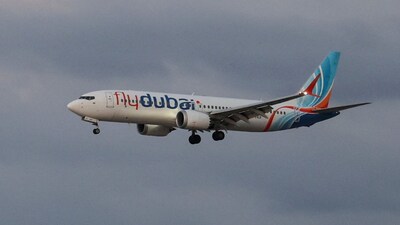
- •A flydubai co-pilot allegedly stabbed his captain and attempted to crash a Boeing 737 en route to Tel Aviv, preventing a potential 9/11-style disaster.
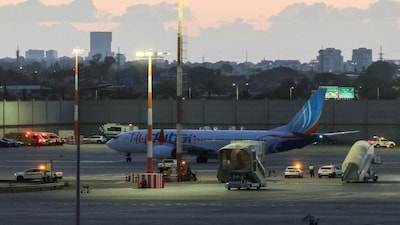
- •Captain Smit Machchhar, an Indian national, was hailed as a hero for subduing the attacker and making an emergency landing in Tabuk, Saudi Arabia.
- •The incident highlights the critical need for robust pilot mental health monitoring, following a similar deliberate crash by a Germanwings pilot in 2015.
- •Airlines implement strict security checks for all crew, similar to passengers, to detect anomalies and prevent threats from entering the cockpit.
- •Cockpit access was reinforced after 9/11, but this rare incident shows a threat from within, prompting investigations into potential terrorist links and radicalization.
Key Questions Answered
During a Flydubai flight from Dubai to Tel Aviv, the co-pilot attacked and stabbed the captain while flying over Saudi Arabia, apparently attempting to crash the plane. The captain and passengers successfully subdued the attacker, leading to an emergency landing in Tabuk.
Pilots must undergo the same security checks as passengers, either through standard or dedicated lanes, which include passing through metal detectors and having their carry-on luggage X-rayed. This process is designed to detect anomalies like intoxication or unusual nervousness.
Following the September 11 attacks, cockpit security was significantly increased with reinforced doors that pilots can lock from the inside if a threat is identified. However, incidents where the threat originates from inside the locked cockpit remain extremely rare.