Stories
FlyDubai Hijack Scare: How Airlines Protect Planes from Rogue Pilots and Cockpit Threats
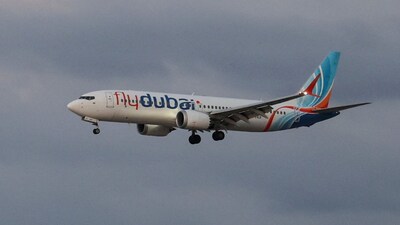
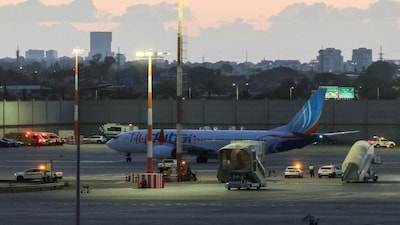
- •A FlyDubai pilot allegedly stabbed the captain, attempting to crash a plane with Israeli passengers, highlighting flight security concerns.
- •Passengers reportedly subdued the attacker, leading to a safe diversion to a Saudi runway, with Israeli fighter jets scrambled in response.
- •Post-9/11, the US and global airline industry implemented stricter protocols like criminal history checks, identity verification, and hardened cockpits to counter external threats.
- •Insider threats remain a challenge, as seen in the 2015 Germanwings incident where a pilot intentionally crashed the plane.
- •Security measures include arming some pilots under the Federal Flight Deck Officer program and recurrent training for crew on active resistance against hijackers.
Key Questions Answered
Airlines and authorities mitigate insider threats by requiring all pilots and flight attendants to undergo criminal history record checks, security threat assessments, and identity verification processes. These checks are significantly more rigorous than the employment history checks used prior to 9/11.
Created through the Homeland Security Act of 2002, the Federal Flight Deck Officer program allows eligible pilots to fly with firearms to defend against criminal violence and air piracy. To qualify, participants must undergo specialized training, hold a medical certificate, and pass biannual firearms requalifications.
Prior to 9/11, flight deck doors were often as flimsy as lavatory doors, but they were subsequently hardened to provide a significant barrier against unauthorized individuals. Additionally, new aeroplanes in the US are required to feature a secondary physical barrier to protect the cockpit whenever the main flight deck door is opened.