Stories
India and Nepal Must Unite Against Himalayan Floods

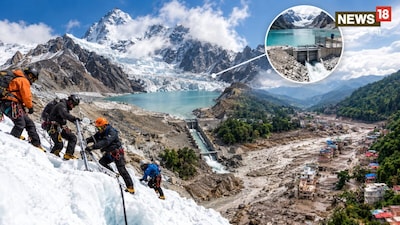
- •Nepal is pursuing a six-year plan to drain four high-altitude glacial lakes to prevent catastrophic floods after a deadly disaster along the China-Nepal border.
- •India must view these transboundary threats as a shared challenge since the Koshi and Gandak river basins directly feed the plains of Bihar and Uttar Pradesh.
- •Engineering alone cannot solve the crisis as it targets only four of Nepal's 21 dangerous lakes, making advanced early warning systems and sensor networks essential.
- •India should offer technical support and data sharing through multilateral bodies like the UN and ICIMOD to respect regional sensitivities and build trust.
Key Questions Answered
Nepal is undertaking a six-year plan to drain four high-altitude glacial lakes: Thulagi, Lower Barun, Lumding Tsho, and Hongu-2. These lakes were identified on a 2020 high-risk inventory within the Koshi and Gandaki basins.
India can provide immediate technical support, data sharing, and early warning systems to help protect its northern plains from downstream surges. Routing this cooperation through multilateral bodies like the UNDP and ICIMOD can help bypass historical sensitivities and build trust.
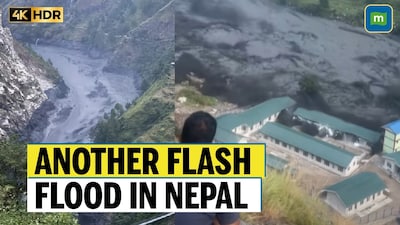
An August glacier collapse unleashed landslides and a massive flash flood that surged through the Lhende Khola, Bhote Koshi, Trishuli, and Narayani rivers, leaving over 1,450 dead and thousands missing. The seismic instruments registered the initial shockwave as a magnitude 5.2 event.