Stories
Why Space-Based AI Data Centers Could Spark the Next Military Conflict
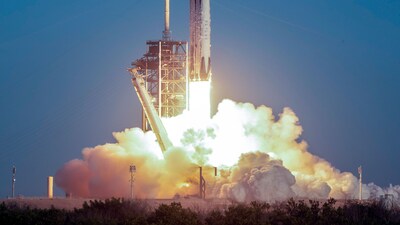
- •Orbital data centers are being developed by tech giants like Alphabet and SpaceX to harness unlimited solar power and fuel AI growth.
- •Unlike heavily protected facilities on the ground, space-based data centers face severe vulnerabilities to missiles, jamming, cyber attacks, and directed-energy weapons.
- •Experts warn that a successful physical attack on these orbital facilities could create catastrophic debris fields and make crucial orbital bands unusable.
- •Major space powers including the US, China, Russia, and India already possess anti-satellite capabilities, raising the stakes for militarization in space.
- •While some developers argue that distributed space networks offer enhanced security, critics warn that the rush to orbit ignores severe geopolitical risks.
Key Questions Answered
Orbital data centers could become military targets because militaries worldwide view computing facilities as critical infrastructure. If nations outsource missile defense targeting to these space-based centers, they instantly become high-value assets vulnerable to jamming, cyber attacks, and kinetic anti-satellite weapons.
SpaceX, led by Elon Musk, carried a data center test satellite for Alphabet's Google into orbit and has envisioned up to 1 million orbital data centers. Additionally, Jeff Bezos' Blue Origin filed paperwork with the FCC to operate over 50,000 such satellites, alongside startups like Axiom Space, Starcloud, and Lonestar Data Holdings.
Operating data centers in orbit presents prosaic challenges such as thermal management and cooling. While the vacuum of space allows heat dissipation through radiators rather than water, defending these facilities is costly, and physical attacks risk creating catastrophic orbital debris that could render regions unusable.