Stories
Starlink Row: Security Fears and Elon Musk's Influence in India
- •Takshashila Institution report highlights serious security concerns regarding Starlink's dominance in low-earth orbit with over 10,000 active satellites.
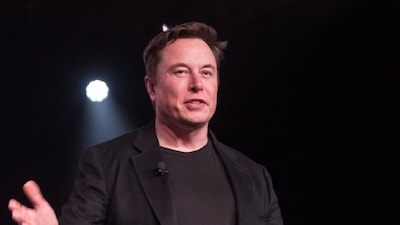
- •Elon Musk's close ties with the US government and political influence raise risks of foreign control over critical Indian communication infrastructure.
- •US jurisdiction over SpaceX creates vulnerability where Washington could potentially pressure the company to influence Indian operations.
- •During the Russia-Ukraine war, Musk blocked Starlink access via geofencing and refused military requests, demonstrating risks of relying on a private network during crises.
Key Questions Answered
A Takshashila Institution report warns that India's reliance on Starlink creates a vulnerability because the company retains foreign operational control and the ability to determine service availability. During crises, India might lack the power to compel SpaceX to maintain connectivity or shut it down. Additionally, Starlink's updated privacy policy allows customer data to be used for AI training, raising data misuse and surveillance concerns.
Following Russia's invasion, Ukraine became heavily dependent on Starlink for military and government communications. However, an investigation by The New York Times revealed that Elon Musk repeatedly blocked access using geofencing and refused to activate connectivity near Crimea, directly impacting military operations. This demonstrated how private decisions during an active conflict can disrupt essential communications.
Despite SpaceX's strategic importance to U.S. defense and space programs, the company depends heavily on U.S. government contracts, regulatory approvals, spectrum allocations, and orbital licensing. This gives Washington substantial leverage over SpaceX, meaning U.S. interests could potentially pressure the company to share data or restrict services if geopolitical conflicts arise.