Stories
India F and O Tax: A Nudge for Traders and a Windfall for the Treasury
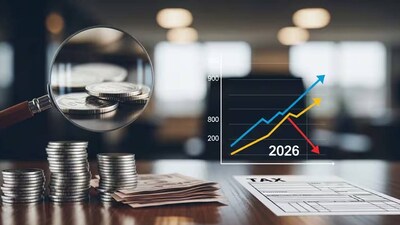
- •In FY26, 87.7 per cent of India’s individual equity derivatives traders lost money, highlighting a massive behavioral health issue.
- •SEBI introduced market regulations and friction to deter speculative trading, causing active individual traders to drop from 98 lakh to 79 lakh.
- •The exchequer raised the securities transaction tax (STT) on derivatives, significantly increasing revenues while simultaneously citing investor welfare.
- •Critics argue that a transaction tax is indiscriminate and lacks the transparency required of true behavioral policy since it taxes winners and losers alike without targeting specific biases.
- •Authors suggest that if the STT is truly behavioral, it should be displayed upfront on order screens, measured against specific loss targets, and eventually sunsetted.
Key Questions Answered
In FY26, 87.7 per cent of India’s individual equity derivatives traders lost money, totaling ₹91,685 crore between them. Ninety-two per cent of these losses occurred specifically within options trading.
SEBI's regulatory friction caused active individual derivatives traders to fall by about a fifth, dropping from 98 lakh to 79 lakh, while their aggregate losses decreased by 18 per cent. Meanwhile, STT collections up to mid-September rose by 53 per cent on a shrinking base as transaction costs increased per contract.
SEBI retained the 30-minute volume-weighted average price (VWAP) method for derivatives expiry settlement while revising the Closing Auction Session framework. The updated system allows expiring index derivatives to trade until 3:30 pm followed by a modified auction window.