Stories
Economist Rajiv Kumar Questions UPI Fee: "Why Meddle With It Now?"
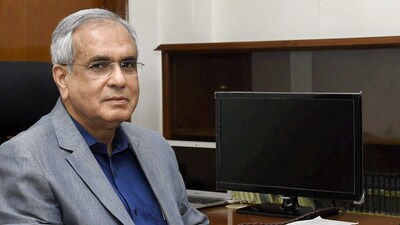
- •Economist Rajiv Kumar argues against the new 0.4 percent fee on UPI payments above Rs 2,000, stating it's unnecessary and will harm the thriving system.
- •Kumar suggests the government and banks, not merchants, should absorb the fee, highlighting UPI's significant positive externalities.
- •He warns that the fee could push large-value transactions back to cash and create issues with verifying merchants' monthly earnings, leading to potential rent-seeking.
- •Kumar expresses skepticism about the government's assurance that merchants won't pass the fee to customers, fearing increased regulation.
- •He also advocates for a broader, multi-stakeholder panel to drive deregulation, arguing that a bureaucrat-led committee might not fully grasp private business challenges.
Key Questions Answered
Beginning October 15, a merchant discount rate (MDR) of 0.4 percent will apply to UPI transactions exceeding Rs 2,000, with the fee capped at Rs 300 for transactions of Rs 75,000 and above, while all person-to-person UPI payments remain entirely free.
Shopkeepers earning up to Rs 1 lakh a month through UPI are exempt from the fee, meaning around 96 percent of merchant transactions remain free. However, economist Rajiv Kumar noted that verifying monthly earnings could invite inspector intervention and push small businesses back to cash.
The high-level committee reviewing non-financial sector regulations is headed by NITI Aayog member Rajiv Gauba, who was appointed in August 2025, while a parallel state-level panel is led by cabinet secretary TV Somanathan.