Stories
Why India Is Cautious Of Elon Musk's Starlink And National Security Risks
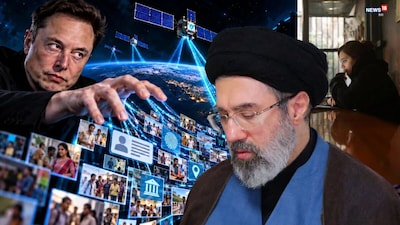
- •Elon Musk's Starlink provides satellite internet that bypasses traditional ground networks, allowing communication even when governments shut down local internet services.
- •Iran experienced massive challenges as smuggled Starlink terminals were used during protests, bypassing state internet controls and raising sovereignty concerns.
- •A report by India's Takshashila Institution warns that SpaceX's ties to the US government and potential pressure to share data pose national security risks.
- •Countries like China and Russia have already banned Starlink, while India faces practical regulatory challenges regarding geofencing and illegal equipment.
- •Incidents involving Starlink equipment recovery in Manipur and Andaman highlight the difficulties in enforcing national regulations over foreign-controlled networks.
Key Questions Answered
India's security agencies have put Starlink's final approvals on hold over national security concerns. These worries are rooted in foreign-controlled operational risks and the unauthorized use of satellite terminals during conflicts and protests in Iran.
During anti-government protests and internet shutdowns in Iran, thousands of Starlink terminals were smuggled in to provide unauthorized, uncensored internet connectivity. This raised serious concerns about a private foreign company undermining government regulatory control and national sovereignty over communication systems.
The central government rejected Elon Musk's allegations that powerful business groups were blocking Starlink's entry to maintain their dominance, describing the claims as baseless and misconceived. Officials emphasized that India's policy is impartial and that all satellite service providers must undergo identical security clearance processes.