Stories
Why Starlink Facing Growing Controversies Across India Brazil and Sudan
- •Starlink initially refused to comply with a Brazilian court order to block the social media platform X until its frozen bank accounts were cleared, raising questions about billionaire-owned enterprise influence.
- •In Ukraine, reports of Starlink coverage being disabled during critical counteroffensives sparked intense debates regarding military reliance on private satellite networks during wartime.
- •Russian forces faced deactivation of unauthorized Starlink terminals on Ukrainian battlefields, highlighting the critical and strategic role of satellite communications in modern warfare.
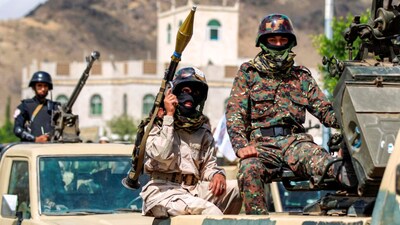
- •Amidst collapsing telecommunications in war-torn Sudan, Starlink served as a vital lifeline for civilians and aid groups but also fueled concerns over smuggling, exorbitant costs, and rebel group exploitation.
- •India launched investigations involving Starlink equipment after satellite devices were recovered during a major drug-trafficking interception at sea and security operations in Manipur.
Key Questions Answered
In September 2024, Starlink initially refused to comply with a court order to block the social media platform X until restrictions on its frozen bank accounts were lifted. The dispute arose after the Brazilian Supreme Court suspended X for failing to appoint a local legal representative. Starlink later reversed its position, agreed to block X, and the Supreme Court eventually lifted the account restrictions.
An investigative report by Reuters in July 2025 claimed that in September 2022, Elon Musk ordered the disabling of Starlink coverage in areas like Kherson and Donetsk. This disruption caused communication problems for frontline Ukrainian troops and difficulties in operating surveillance and artillery drones. While SpaceX objected to the report's accuracy, the incident highlighted concerns regarding military reliance on private technology during wartime.
In February 2026, citing Ukrainian officials, it was reported that Starlink terminals used without authorization by Russian forces on the battlefield were deactivated. Ukraine worked with SpaceX to establish a verification system or whitelist to identify legally used terminals and block unauthorized devices. Although a high-ranking Russian official acknowledged that their terminals stopped working for about two weeks, they contested claims of a major impact on drone operations.