Stories
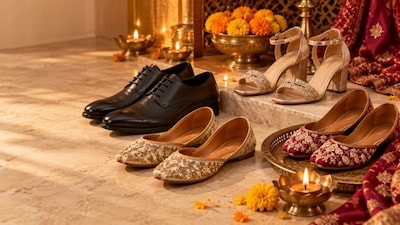
Tight Footwear: Don't Risk Long-Term Foot Problems for Style
N
News18•23-09-2026, 18:10
Tight Footwear: Don't Risk Long-Term Foot Problems for Style
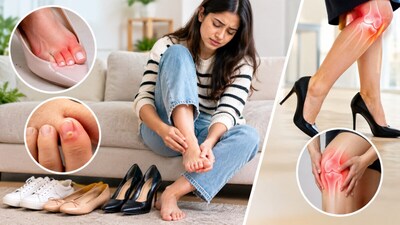
- •Wearing small or tight footwear, including high heels, can lead to long-term foot problems like pain, blisters, corns, and thickened skin.
- •Incorrectly sized shoes, especially those with a narrow toe box, restrict toe movement, which is crucial for balance and comfort.
- •High heels alter body weight distribution, potentially causing changes in foot structure, musculoskeletal pain, and increased knee load.
- •Ill-fitting footwear can affect normal foot movement, leading to discomfort, pain, and altered walking patterns.
- •Prioritize comfort and proper fit when buying shoes; try them on both feet, walk a few steps, and ensure ample toe space and heel stability.
Key Questions Answered
Wearing shoes that are too small or tight at the front prevents toes from getting enough space, leading to constant pressure. This can result in problems like pain, blisters, corns, and thickened skin over time.
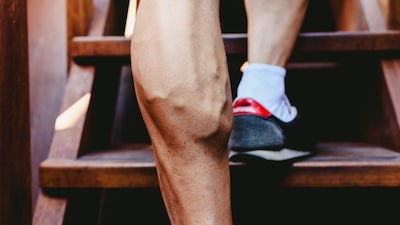
When wearing high heels, the body's weight is distributed differently on the feet, which is linked to changes in foot structure, musculoskeletal pain, and increased injury risk. Research also shows that high heels can increase the load and moments on the knee while walking.
When buying shoes, you should try them on both feet, stand, and walk a few steps to check if your toes have enough space and your heel is stable. The front part should be wide enough so toes remain in their natural position without pressure or pinching.