Stories
Activate Your "Second Heart": Cardiologists Explain Calf Muscle Power
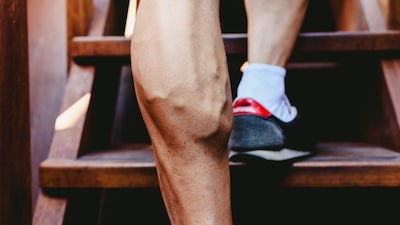
- •Your calf muscles act as a "second heart" by helping pump blood from your legs back to your actual heart, especially against gravity.
- •Cardiologists explain that the calf-muscle pump mechanism involves muscle contractions compressing veins, aided by one-way valves, to propel blood upwards.
- •Prolonged sitting reduces calf muscle activity, leading to blood pooling in the legs and increasing the risk of blood clots, particularly during long travel.
- •Warning signs like unexplained leg swelling, pain, redness, or warmth should not be ignored as they may indicate serious circulatory problems.
- •Simple desk exercises like heel raises, toe raises, and ankle circles can activate your calf muscles and improve circulation without a full workout.
Key Questions Answered
Calf muscles are called the second heart because their contractions play an important mechanical role in venous circulation by helping push blood from the lower legs back up toward the heart against gravity. When the muscles contract, they compress nearby veins while one-way valves prevent the blood from flowing backward.
Desk-bound workers can engage the calf-muscle pump without leaving their seats by practicing heel raises with toes on the ground, raising their toes while keeping heels down, performing ankle circles, and doing alternating flexing and extending movements. Standing up to take a short two-minute walk or pacing during phone calls provides additional circulation benefits.
People should not dismiss prolonged or unexplained swelling, especially if it affects only one leg, along with leg pain, tenderness, unusual warmth, redness, or skin color changes. These warning signs can indicate a blood clot or other circulatory issue and require medical evaluation, while symptoms like sudden breathlessness or chest pain demand urgent medical attention.