Stories
How to Identify Pure Silk and Real Zari Before Buying Saree
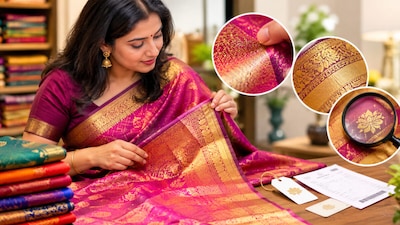
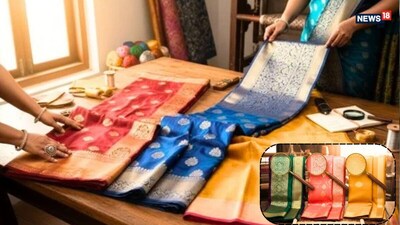
- •Always check the bill or product label for fabric information to distinguish between pure silk, silk blend, and art silk.
- •Natural silk features a smooth or textured feel depending on the variety, unlike synthetic fabrics that mimic its shine.
- •Traditional home tests like burning a thread carry risks of fabric damage and fire injury, so expert assessment is safer.
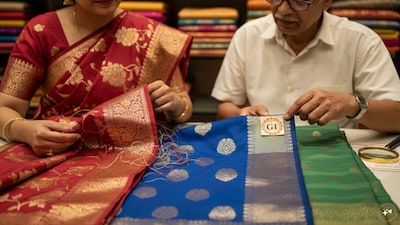
- •Zari can range from real metal to gold-plated and synthetic options, making seller certification crucial for expensive purchases.
- •Inspect the texture, weave, and light reflection of the fabric closely, and ask shopkeepers directly about the materials used.
Key Questions Answered
Pure silk is a natural protein fiber, with mulberry silk renowned for its smooth texture and natural shine, whereas silk blends incorporate other mixed fibers or synthetic art silk designed to mimic silk's luster without being 100% pure.
Zari can consist of real metal, silver or gold-plated threads, or synthetic metallic materials. Because home scratch tests can damage the saree, the safest approach is to request composition details, certification, and written specifications on the bill from the seller.
Burning a loose thread normally causes natural silk to smell like burning hair with crumbly ash, while synthetic fibers melt into hard lumps, but performing this test at home risks fabric damage, fire injuries, and inconclusive results on blended fabrics.