Stories
Easy Tricks To Identify Real Kanjivaram, Banarasi And Mysore Silk Sarees
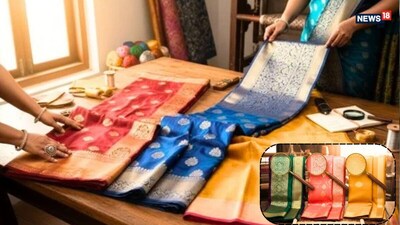
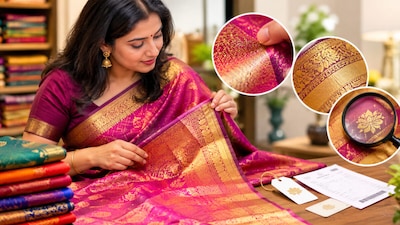
- •Kanjivaram sarees are identified by distinct and raised borders, pallu featuring traditional motifs like temples and peacocks, and verified GI certification.
- •Banarasi sarees feature fine brocade and zari work where designs are woven into the fabric rather than printed, visible clearly when turned over.
- •Mysore silk is known for its soft feel, smooth texture, and graceful drape, though not every authentic piece requires heavy zari work.
- •Avoid falling for myths like heavy weight, excessive shine, or high price being absolute guarantees of pure silk and handloom authenticity.
- •Always ask the shopkeeper crucial questions regarding handloom status, silk type, Silk Mark certification, GI identification, and proper billing.
Key Questions Answered
Traditional Kanjivaram sarees feature distinct, raised borders and pallus from the body, often incorporating motifs like temples, peacocks, and rudraksha. To verify authenticity, check that the design is part of the fabric's weave rather than just a top print, and look for GI certification and reliable sellers.
A Banarasi saree is best identified by its fine brocade and zari work featuring traditional motifs like creepers, jaal, and floral patterns. When inspecting the saree, turn it over to examine the back of the pallu and border; in traditional handloom brocade, the design is woven directly into the fabric rather than just showing surface shine on the front.
Before purchasing an expensive saree, you should ask the shopkeeper five key questions: whether it is handloom or powerloom, what kind of silk was used, if a Silk Mark or other certification is available, whether it links to a GI-identified traditional product, and if they will provide a proper bill with product details.